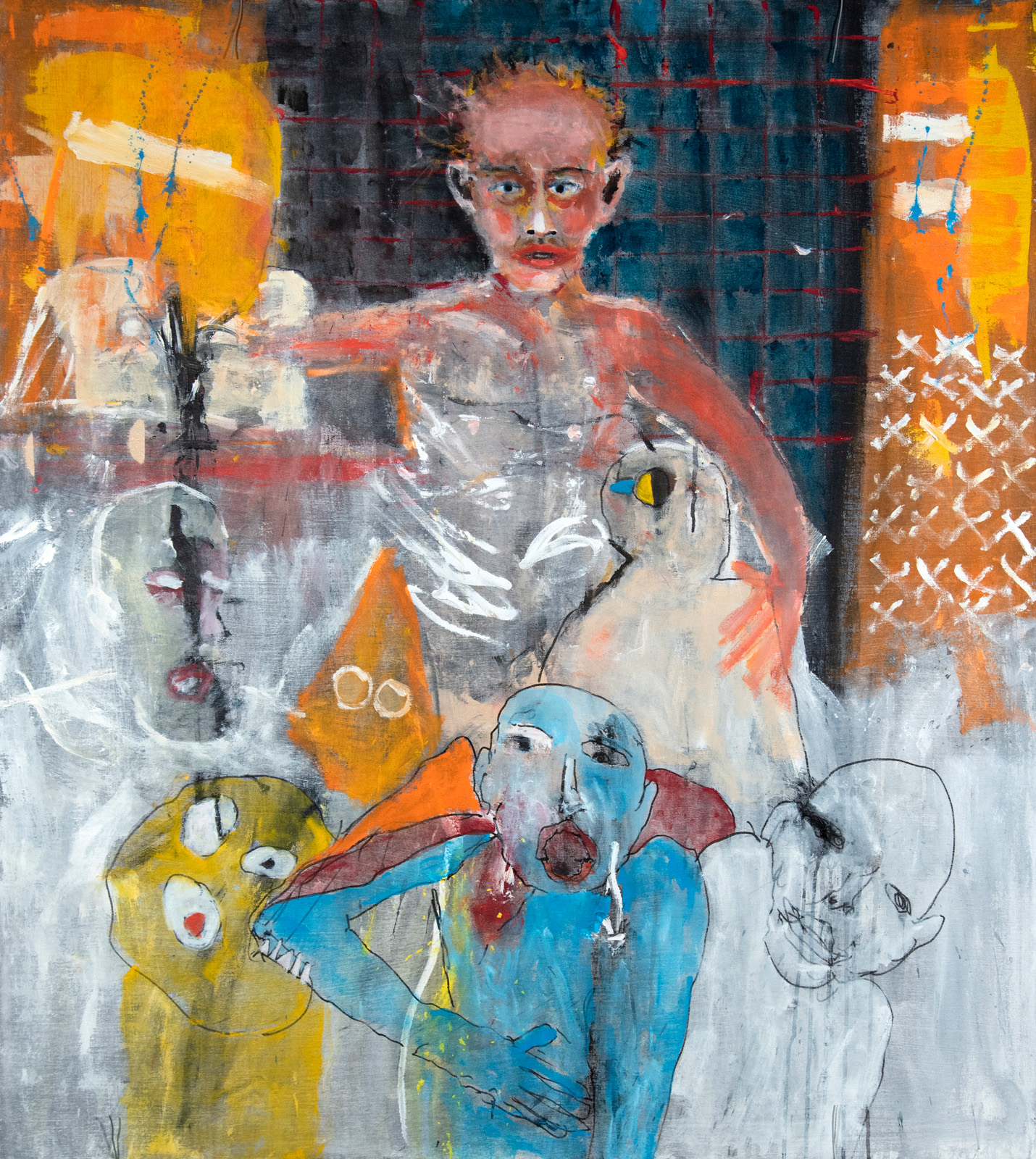
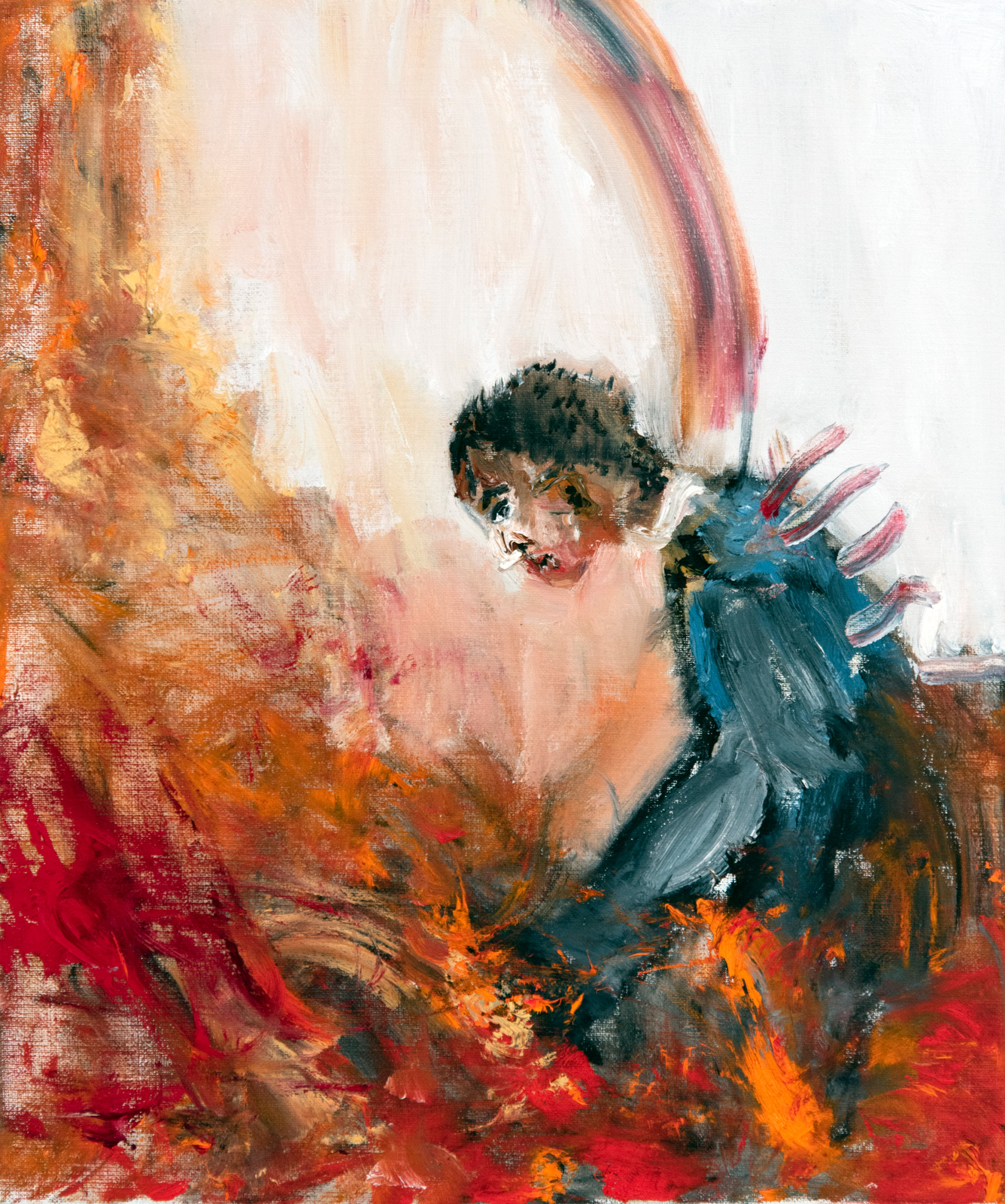
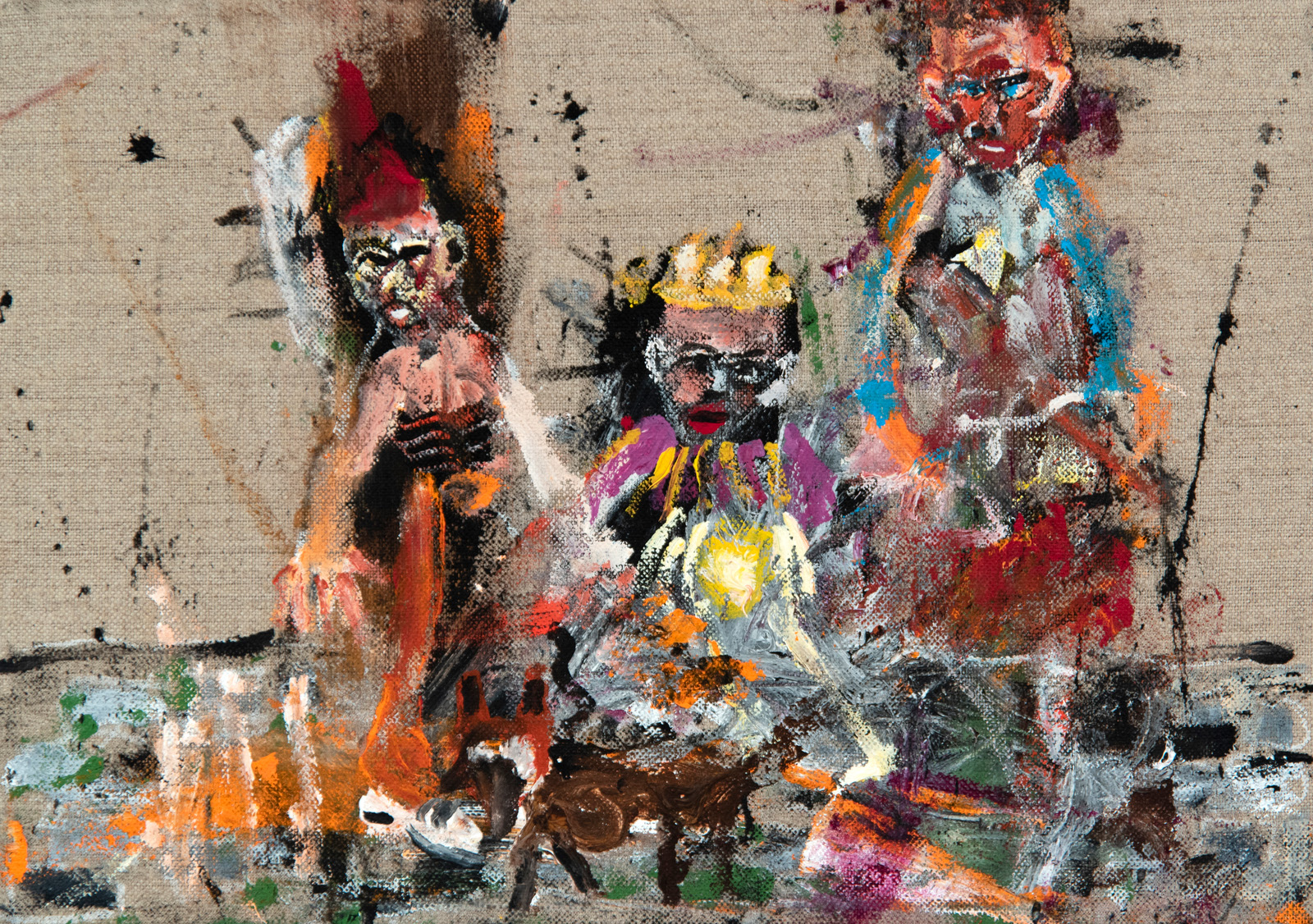
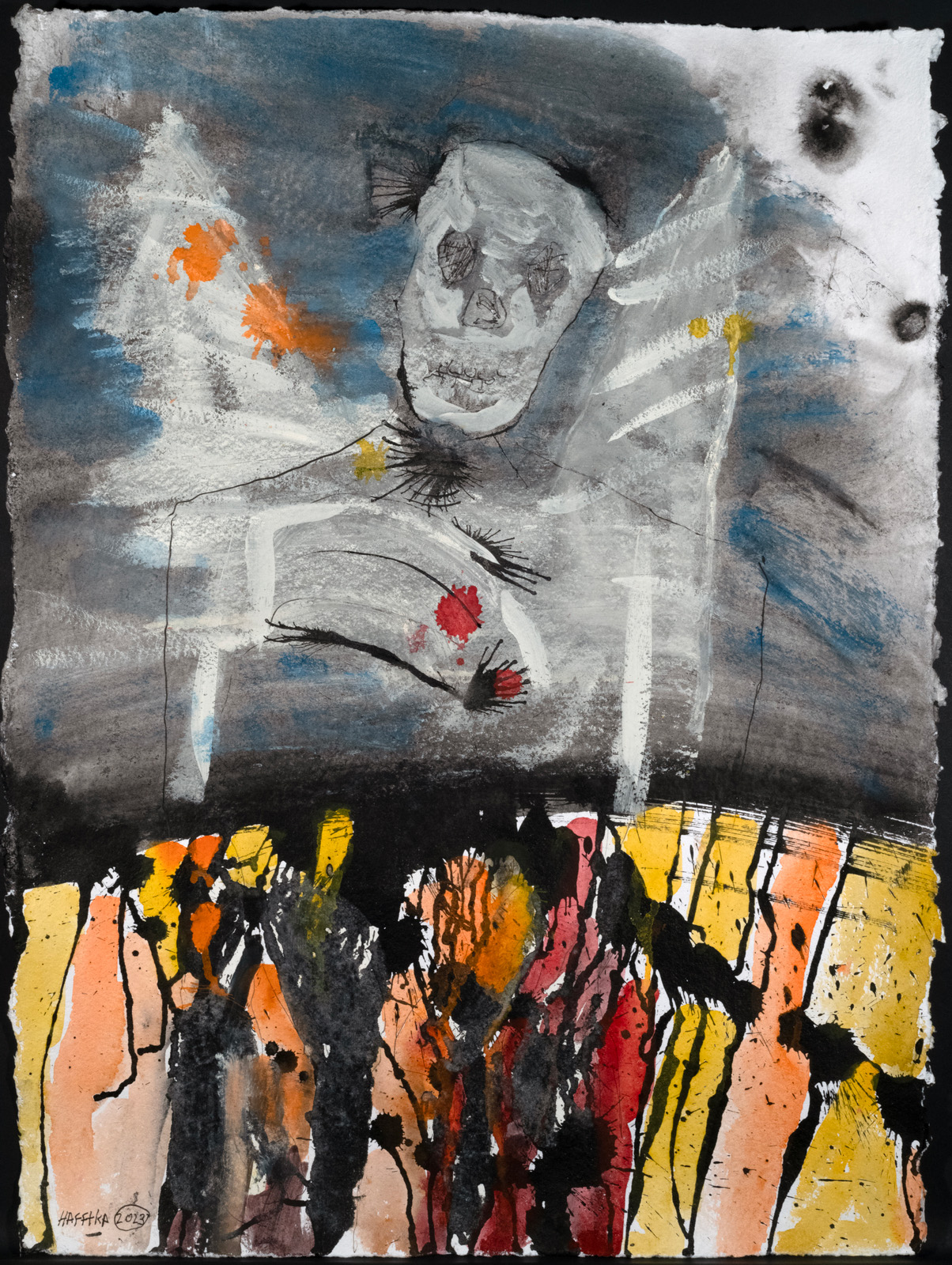
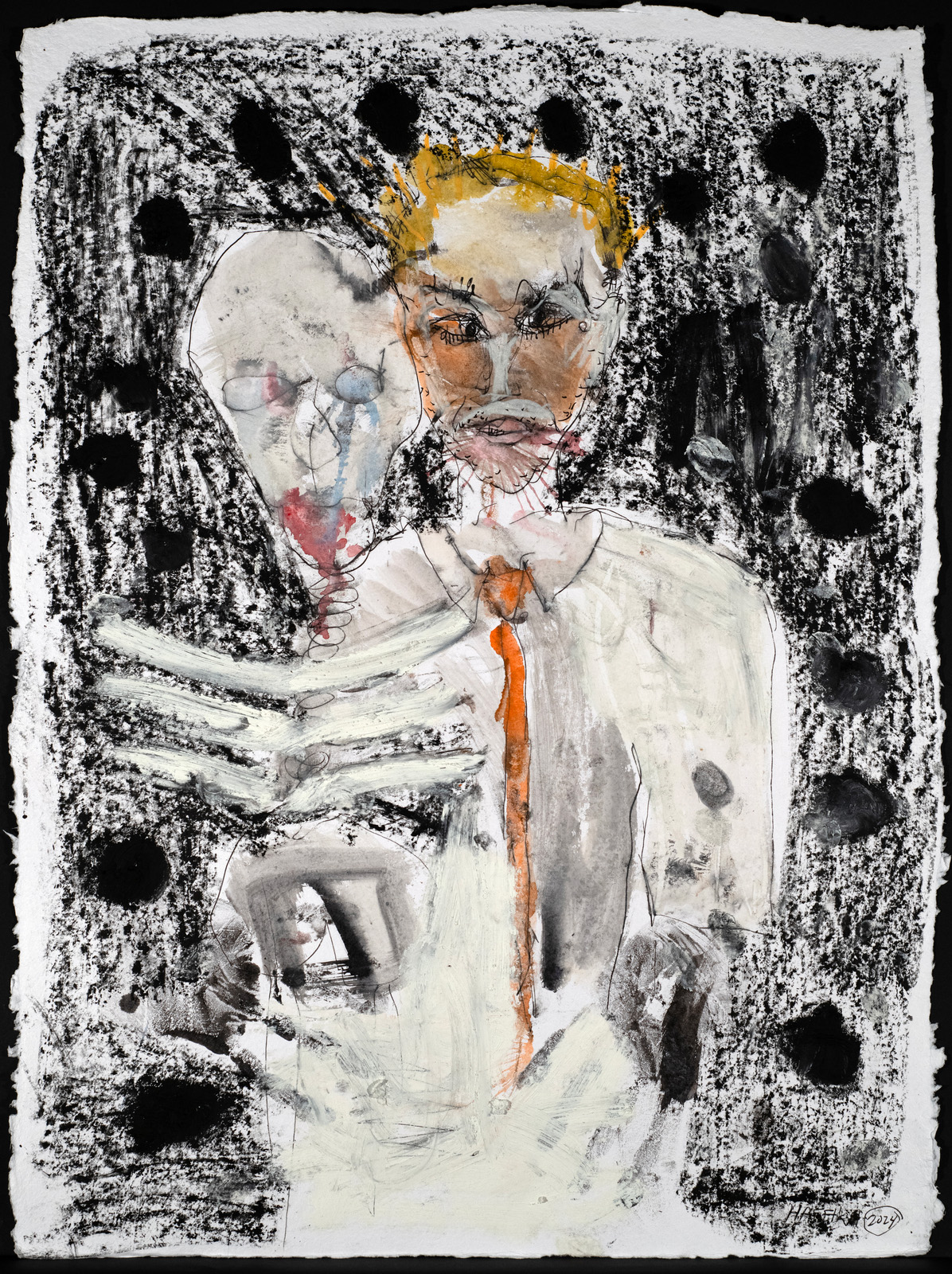
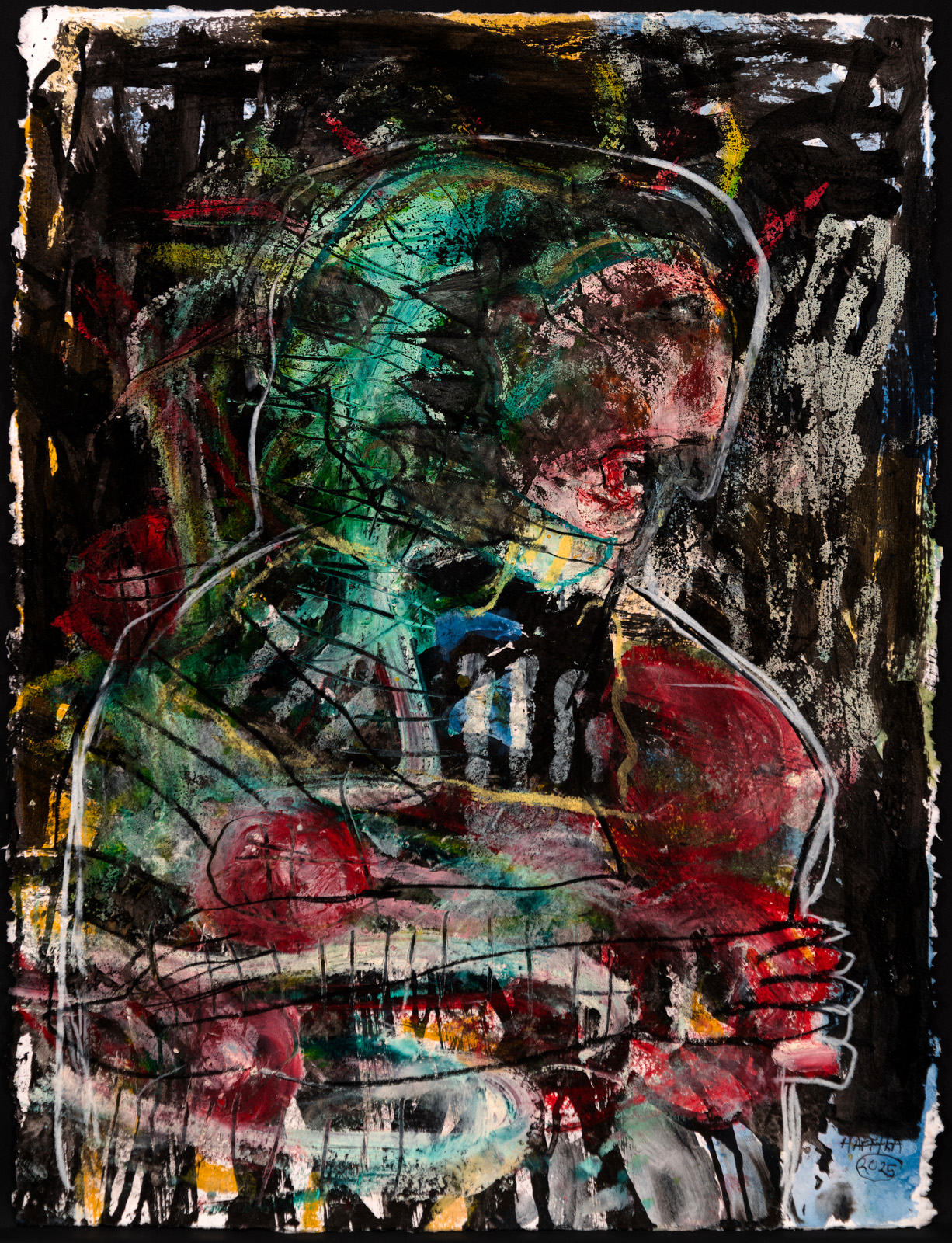
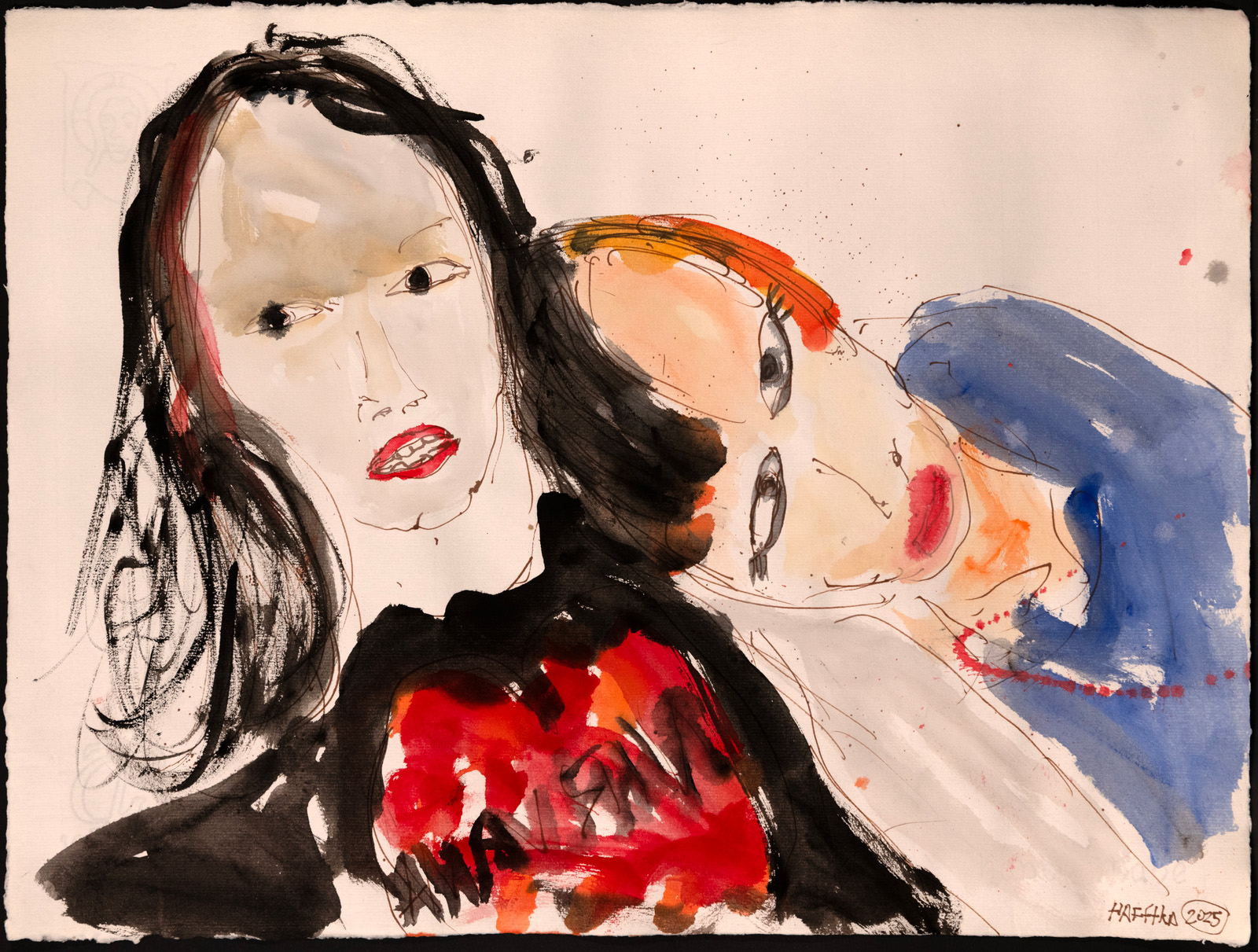
More than one hundred of his works are held in museum collections worldwide, including The Metropolitan Museum of Art, The Museum of Modern Art (MoMA), San Francisco Museum of Modern Art (SFMOMA), The British Museum, Carnegie Museum of Art, Museum of Fine Arts, Houston, and The National Gallery. He has exhibited widely, with highlights including an exhibition at MoMA and a retrospective of largescale paintings at the Housatonic Museum of Art. Hafftka’s work has been the subject of extensive critical attention, notably from art historian and curator Professor Sam Hunter and from John Caldwell, critic for The New York Times and curator at SFMOMA. His creative practice often intersects with literature; he has collaborated with prominent poets and writers such as William Gass and Tom Sleigh, with their joint works appearing in The Yale Review and Blackbird. His portrait of Philip Levine, U.S. Poet Laureate (2011–2012), is in the permanent collection of the Fresno Art Museum. Hafftka began painting in 1973. He describes his artistic philosophy as follows: “I paint the reality beneath the surface from an emotional point of view. I feel and render. I let go of the certainty of visual perception and create from a visceral experience. Painting requires of me a state of intentional open-mindedness that often brings doubts and insecurities—similar to what John Keats called ‘negative capability’—which I relish, despite the discomfort.”